


Publié sur Google
 Gael92 days ago
Trustindex vérifie que la source originale de l'avis est Google.
Un super cabinet, très compétents et agréables ! Ils m'on sorti de très mauvais pas en urgence ! C'est un plaisir d'y retourner, merci !Publié sur Google Godefroy Douglas108 days agoAprès un traitement dentaire de vingt mois, le cabinet dentaire a été excellent et le résultat top. Vraiment Top 👌. Hygiéniste top. Accueil excellent. Ortho alignement dentaire excellent. Implants vraiment top 👌 et en plus sans douleur. Suivi et accompagnement et contrôle tout au long du traitement. Je recommande ce cabinet dentaire à toutes les familles, et de toutes âges. J'ai retrouvé un excellent sourire Et un énorme merci 🫶👍Publié sur Google
 Richard Wiley121 days agoI have had surgical and cosmetic procedures carried out at this Cabinet and my experience has been excellent. They have the most up to date technology as well as experienced, professional, multi lingual and caring staff. I wholeheartedly recommend this Team.Publié sur Google
 L Accueil de Soi121 days agoPublié sur Google
 Aline Sidoti123 days agoPublié sur Google
 Cathy Feruglio198 days agoJe recommande vivement ce cabinet dentaire. On y est reçu avec de beaux sourires chaleureux. Le dr M. Banica Cerreoni est très gentil et travaille méticuleusement en expliquant bien toutes les étapes et en plus je n’ai eu aucune douleur. Tout est fait pour que l’on se sente bien👌 Merci ☺️Publié sur Google
 Gonçalo Peixe231 days agoJ'ai dû dévitaliser deux dents, ce qui a nécessité un traitement long et intense. Cependant, dès le début, toute l'équipe m'a mis à l'aise. Pour ceux qui n'aiment pas le dentiste, je recommand. l y a des téléviseurs pour se distraire pendant les soinsPublié sur Google
 Chri Walcher312 days agoPublié sur Google
 Claudia Suter312 days agoThis is the best dentist I have ever been to. The whole staff is highly professional, works very carefully, gives detailed explanations, works with the patient to achieve the best results, acting always in the best interest of the patient. This cabinet did solve my problem and make sure my pariodontal issue and the detartrage is being handled properly, with modern technology and very good dentist skills and with the best care. I strongly recommend this cabinet de dentistes.Publié sur Google
 Daniel Schmid319 days agoCela fait au moins 30 ans que je suis patient et je continu à faire confiance au Dr Mihai Banica Cerreoni et Cristina Ruopolo hygiéniste dentaire car leurs conseils, leur professionnalisme et la qualité de leurs soins m’ont toujours donné entière et pleinement satisfaction.
Children’s dentist in Nyon
Introduction
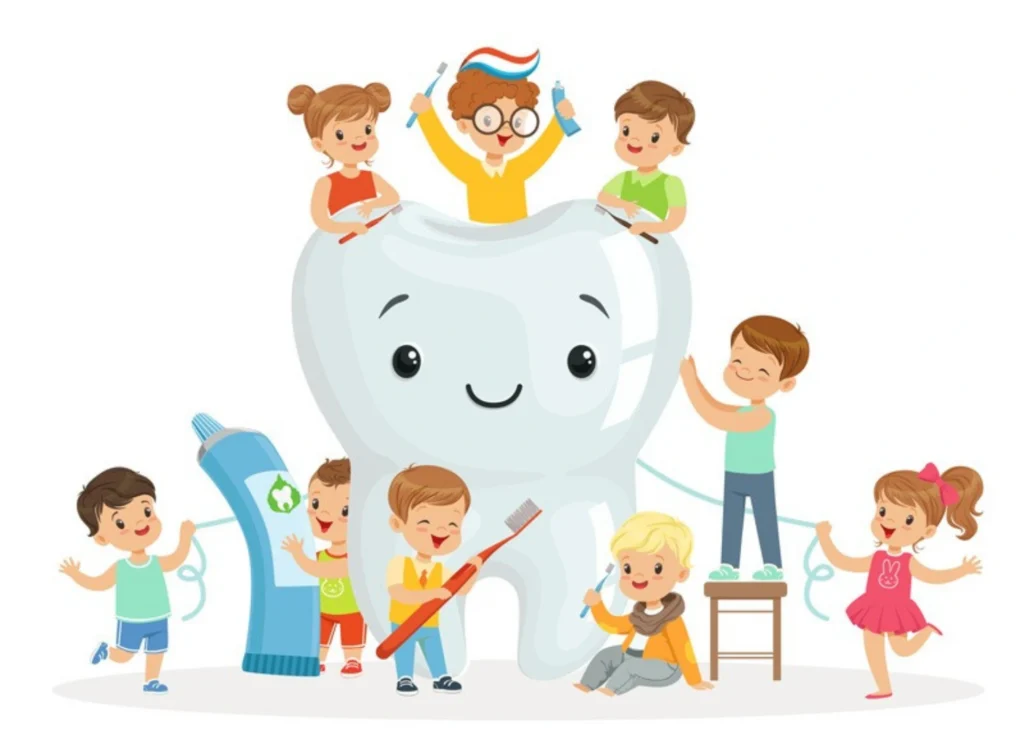
Dental prevention begins in early childhood with regular check-ups, oral hygiene instructions, dietary guidance, and plenty of patience and care.
By taking this approach, if your child ever experiences a dental problem, she or he will trust the dentist, making treatment easier and less stressful.
A child who trusts the dentist will become a confident adult with a healthy and beautiful smile.
Your needs, questions and expectations deserve careful attention. At Cabinet Dentaire de Nyon, our team listens to you, explains every step clearly and helps you choose the most suitable path for your oral health.
Contact us to book your first visit, ask for information or discuss the treatment that best fits your situation.

Paediatric dentistry
Paediatric dentistry is a branch of dentistry dedicated to children’s dental care, with all the specific considerations this involves.
Indeed, treating children’s teeth requires particular sensitivity and expertise, but with a little patience, most children are often far more cooperative than their parents!
Nitrous oxide sedation (laughing gas)
To help our young patients relax, even the most energetic ones, and to ensure maximum comfort during dental treatment, we often use nitrous oxide sedation, commonly known as laughing gas.
The administration of nitrous oxide by inhalation is simple, comfortable, well accepted, and makes dental procedures easier to tolerate. At the end of the treatment, it only takes a few seconds to feel completely back to normal, with no after-effects: it is simply fantastic!
In the rare cases where nitrous oxide is not sufficient, we can alternatively administer a few drops of a relaxing medication to calm your child so that we can provide high-quality care gently.
Any administration of medication to children is discussed thoroughly with the parents and is subject to their explicit consent.

Contact us to book your first visit, ask for information or discuss the treatment that best fits your situation.
Publié sur GoogleGael92 days agoUn super cabinet, très compétents et agréables ! Ils m'on sorti de très mauvais pas en urgence ! C'est un plaisir d'y retourner, merci !Publié sur GoogleGodefroy Douglas108 days agoAprès un traitement dentaire de vingt mois, le cabinet dentaire a été excellent et le résultat top. Vraiment Top 👌. Hygiéniste top. Accueil excellent. Ortho alignement dentaire excellent. Implants vraiment top 👌 et en plus sans douleur. Suivi et accompagnement et contrôle tout au long du traitement. Je recommande ce cabinet dentaire à toutes les familles, et de toutes âges. J'ai retrouvé un excellent sourire Et un énorme merci 🫶👍Publié sur GoogleRichard Wiley121 days agoI have had surgical and cosmetic procedures carried out at this Cabinet and my experience has been excellent. They have the most up to date technology as well as experienced, professional, multi lingual and caring staff. I wholeheartedly recommend this Team.Publié sur GoogleL Accueil de Soi121 days agoPublié sur GoogleAline Sidoti123 days agoPublié sur GoogleCathy Feruglio198 days agoJe recommande vivement ce cabinet dentaire. On y est reçu avec de beaux sourires chaleureux. Le dr M. Banica Cerreoni est très gentil et travaille méticuleusement en expliquant bien toutes les étapes et en plus je n’ai eu aucune douleur. Tout est fait pour que l’on se sente bien👌 Merci ☺️Publié sur GoogleGonçalo Peixe231 days agoJ'ai dû dévitaliser deux dents, ce qui a nécessité un traitement long et intense. Cependant, dès le début, toute l'équipe m'a mis à l'aise. Pour ceux qui n'aiment pas le dentiste, je recommand. l y a des téléviseurs pour se distraire pendant les soinsPublié sur GoogleChri Walcher312 days agoPublié sur GoogleClaudia Suter312 days agoThis is the best dentist I have ever been to. The whole staff is highly professional, works very carefully, gives detailed explanations, works with the patient to achieve the best results, acting always in the best interest of the patient. This cabinet did solve my problem and make sure my pariodontal issue and the detartrage is being handled properly, with modern technology and very good dentist skills and with the best care. I strongly recommend this cabinet de dentistes.Publié sur GoogleDaniel Schmid319 days agoCela fait au moins 30 ans que je suis patient et je continu à faire confiance au Dr Mihai Banica Cerreoni et Cristina Ruopolo hygiéniste dentaire car leurs conseils, leur professionnalisme et la qualité de leurs soins m’ont toujours donné entière et pleinement satisfaction.
Paediatric dentistry and the first dental visit: what happens?
Paediatric dentistry and the first dental visit: what happens?
At Cabinet Dentaire de Nyon, the child’s first dental visit is designed to be simple, reassuring, and appropriate for their age. Dr Kaira Grieder and the team can check the baby teeth, gums, bite development, and oral hygiene habits, while explaining each step to the parents.
The appointment may include gentle observation, preventive advice, brushing instructions, dietary advice, and assessment of cavity risk. The goal is to create a sense of trust, without fear. To get started with confidence, book an appointment with a Paediatric Dentist in Nyon.
When should a baby go to the dentist?
When should a baby go to the dentist?
A baby can visit the dentist as soon as the first tooth appears or if the parents notice any concerns: delayed eruption, spots, trauma, feeding discomfort, or swollen gums. Early visits help parents understand how to clean baby teeth and prevent early childhood cavities. The team can explain baby tooth care, dietary habits, fluoride use, dummy use, and teething. Even a short appointment provides useful preventive guidance. There is no need to wait until pain develops. For early guidance, consult a Paediatric Dentist in Nyon.
What is paediatric dentistry?
What is paediatric dentistry?
Paediatric dentistry, or paedodontics, is the branch of dentistry dedicated to infants, children, and adolescents. It includes prevention, diagnosis, treatment of cavities, monitoring of tooth eruption, and teaching good habits. Children need a specific approach because their teeth, emotions, and cooperation change with age. The team focuses on baby teeth, permanent teeth, cavity prevention, gentle communication, and family education. Paediatric dentistry also helps identify oral habits or early orthodontic needs. For appropriate follow-up, book an appointment with a Paediatric Dentist in Nyon.
What is teething?
What is teething?
Teething is the natural process during which a baby’s teeth emerge through the gums. It can cause discomfort, drooling, an urge to bite, gum sensitivity, and changes in sleep or appetite. Parents may notice swollen gums, irritability, excessive drooling, a need to chew, and mild sensitivity. Teething is normal, but symptoms should remain moderate. A high fever, persistent crying, diarrhoea, or unusual rashes should be discussed with the paediatrician. The dental team can help explain which signs are normal. For advice, consult a Paediatric Dentist in Nyon.
How long does teething last?
How long does teething last?
Teething does not happen all at once. It occurs in phases as the baby teeth emerge, often starting during the first year and continuing through early childhood. Each tooth may cause discomfort for a few days, but the overall process lasts several months. Parents may notice gum sensitivity, drooling, restless sleep, a need to bite, and temporary irritability. The timing varies from child to child, which is not necessarily a cause for concern. The dentist can check tooth eruption and provide appropriate advice. For personalised guidance, consult a Paediatric Dentist in Nyon.
What are the different types of dental treatments for children?
What are the different types of dental treatments for children?
Children may need different types of dental care depending on their age, oral hygiene, dental development, and risk of cavities. Paediatric dentistry may include check-ups, professional hygiene, fluoride advice, sealants, cavity treatment, emergency care after trauma, monitoring of tooth eruption, and early orthodontic referral. At the clinic, care is adapted with gentle explanations, personalised prevention, child-friendly communication, parental involvement, and possible sedation when indicated. The goal is to choose the safest and least invasive solution. To organise your child’s follow-up, contact a Paediatric Dentist in Nyon.
What does a teething rash look like?
What does a teething rash look like?
A teething rash often appears around the mouth, chin, or cheeks when saliva irritates the skin. It may appear as mild redness, dry skin, or small irritated areas. Parents can help by gently drying the area and protecting the skin, but a persistent, painful, or widespread rash should be shown to the paediatrician. The team can explain effects of saliva, skin irritation, oral signs, gentle cleaning, and biting habits. For oral support, consult a Paediatric Dentist in Nyon.
Is fluoride good for teeth?
Is fluoride good for teeth?
Fluoride helps strengthen enamel and reduce the risk of cavities when used correctly according to the child’s age. The amount is important, especially in younger children who may swallow toothpaste. The dental team can recommend a suitable toothpaste and explain how brushing should be supervised. Fluoride supports enamel protection, cavity prevention, remineralisation, daily oral hygiene, and long-term oral health. Parents should avoid using too much toothpaste and follow professional advice. The goal is safe prevention. To find the right routine, book an appointment with a Paediatric Dentist in Nyon.
How can teething pain be relieved?
How can teething pain be relieved?
Teething discomfort can often be relieved with simple, safe measures. Parents can gently massage the gums with a clean finger, offer an appropriate teething ring, and keep the mouth and chin clean when drooling is excessive. Safe, cold objects may help, but frozen items or unsuitable products should be avoided. The team explains gum massage, safe teething rings, oral cleaning, comfort routines, and warning signs. Medication should only be used following the paediatrician’s advice. For dental advice, consult a Paediatric Dentist in Nyon.
When should I start brushing my baby’s teeth?
When should I start brushing my baby’s teeth?
Parents can start cleaning the mouth even before the teeth appear, using a clean, damp gauze pad or a tool suitable for babies. As soon as the first tooth appears, brushing should begin gently with an appropriate toothpaste and a small amount. At Cabinet Dentaire de Nyon, Dr Kaira Grieder and the team guide parents on baby tooth brushing, amount of toothpaste, twice-daily routine, supervised brushing, and good habits. Children need help for several years while their motor skills develop. For practical advice, contact a Paediatric Dentist in Nyon.
Paediatric Dentist in Nyon: our approach
Paediatric Dentist in Nyon: our approach
At Cabinet Dentaire de Nyon, the paediatric approach begins by listening to both the child and the parents. Dr Kaira Grieder and the team adapt the appointment to the child’s age, level of cooperation, previous experiences, and dental needs. The approach combines gentle communication, prevention, early diagnosis, family education, and possible sedation when appropriate for anxious children or certain treatments. The goal is to build trust, avoid unnecessary fears, and guide the child towards good habits as they grow. Each treatment is explained clearly. To begin a positive dental journey, consult a Paediatric Dentist in Nyon.





From Geneva
Follow the route towards Nyon and continue to the city centre, in the direction of Nyon Gare. Once you arrive in central Nyon, reach Rue de la Gare 11, where the practice is located. This route is useful for patients coming from Geneva, Versoix, Coppet and nearby lakeside towns.
From Lausanne
From Lausanne, follow the route towards Nyon and continue towards Nyon Centre / Gare. The practice is located at Rue de la Gare 11, near the railway station. This direction is convenient for patients coming from Lausanne, Rolle, Gland and the surrounding area.
From Geneva
From Geneva, take the train towards Nyon station. Once you arrive at Nyon, the practice is only a short walk away, at Rue de la Gare 11. This is a practical option for patients who prefer to avoid traffic or parking in the city centre.
From Lausanne
From Lausanne, take the train towards Nyon station. After arriving at the station, walk towards Rue de la Gare 11 to reach Cabinet Dentaire de Nyon. The central location makes the practice easy to access for patients travelling from Lausanne and nearby towns.
Parking
Patients arriving by car can park near the practice in central Nyon. The most convenient options are the car parks close to Rue de la Gare and Nyon station. Since the practice is located in the city centre, we recommend allowing a few extra minutes before the appointment to park calmly and reach the clinic on foot.
Place Perdtemps Avenue Perdtemps 3 · 022 361 02 62
First hour free
1 hour: 1fr
2 hours: 2fr
3 hours: 4fr
4 hours: 8fr
Petit-Perdtemps – maximum 3 hours
1 hour: 1fr
2 hours: 3fr
3 hours: 5fr
Bel-Air Rue Neuve 16 – 020 637 20 79
1h : 2fr
2h : 9fr
3h : 20fr
Nyon Station Car Park Rue Juste Olivier 22 · 022 361 02 62
1h : 2fr
2h : 4fr
3h : 6fr
La Combe, La Combe shopping centre Chemin de Crève-cœur – first hour free
Town centre – maximum of 30, 60 or 120 minutes depending on the space
CHF 1.- per hour, flat rate
Place de la Gare – maximum 30 minutes – 7 days a week from 6.00 am to 10.00 pm
CHF 1.- per hour, flat rate
Gland:
From Gland, head towards Nyon, then continue towards Nyon Centre / Gare. Once you reach the station, go to 11 Rue de la Gare, where the Nyon Dental Practice is located. This is a convenient route for patients coming from Gland for a check-up, a dental hygiene appointment or dental treatment.
Versoix:
From Versoix, head towards Nyon via the lakeside road or the main road, then continue towards Nyon Centre / Gare. Once in the town centre, head to 11 Rue de la Gare. This route is convenient for patients coming from Versoix who wish to visit the practice in Nyon.